 Trusted Content
Table of Contents
Walking in Los Angeles County can feel like a risk itself. High-speed traffic, aggressive drivers, sprawling intersections, and inadequate crosswalks, plus the chaotic energy of shopping plazas, parking lots, and dense urban neighborhoods, all combine to make certain spots especially perilous for pedestrians. Many of the most dangerous locations aren’t just roads: off-street zones like parking lots and retail centers also pose significant threats.
Whether you’re a resident or a visitor, knowing where pedestrian accidents are most likely to occur can help you stay safe.
Why Pedestrian Safety in LA County Deserves Closer Attention
According to the SafeTREC Traffic Safety Facts, Los Angeles County consistently ranks at the top for serious and fatal pedestrian injuries across California. Meanwhile, regional data from the Southern California Association of Governments (SCAG) estimates that local roads—not just highways—account for a large share of injury-causing collisions.
These numbers represent not only roadway design challenges but deeper safety inequities. In many neighborhoods, particularly high-density communities, walking is an essential mode of transportation, and the environment hasn’t always kept pace.
Intersections that Carry a Disproportionate Share of Risk for LA County Pedestrian Accidents
One of the most important findings in LA pedestrian crash analyses is how a relatively small number of intersections account for a large proportion of pedestrian injuries and fatalities. A Los Angeles Times analysis identified 817 particularly high-risk intersections across the county.
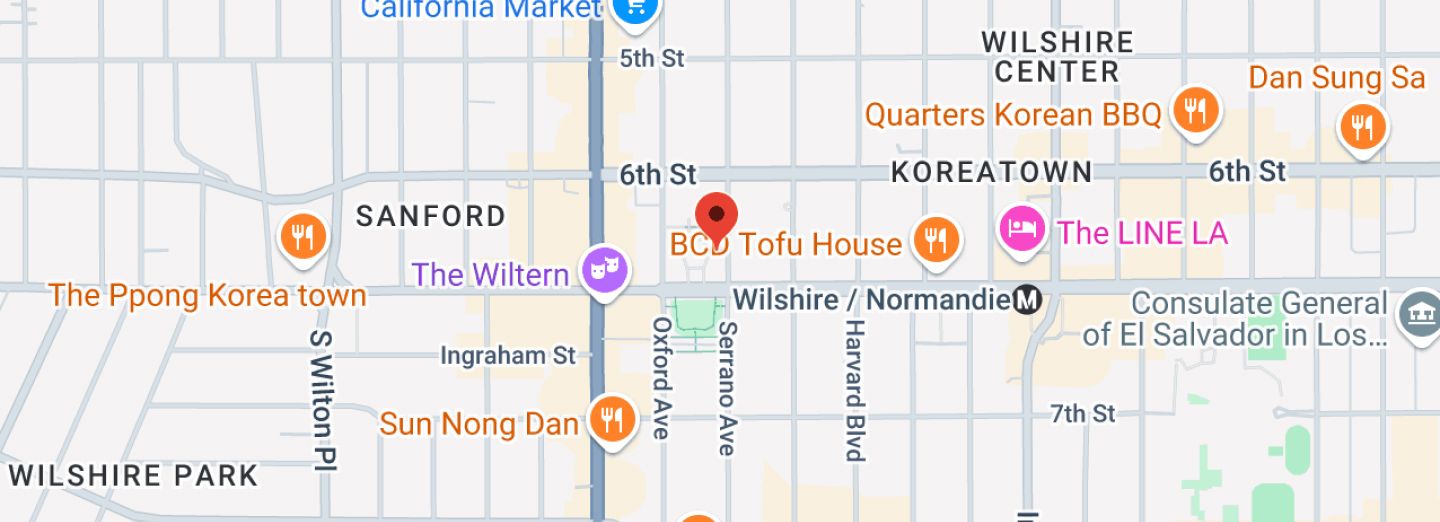
These high-risk crossroads tend to cluster in dense, mixed-use neighborhoods, like Downtown LA, Koreatown, Westlake, and Hollywood. Some intersections repeatedly cited in local safety analyses include:
- Slauson Ave & Western Ave (South LA): Known for its extra-wide crossings, few safety features, and a high number of pedestrian collisions.
- Figueroa St & 7th St (Downtown): A busy commuting and walking corridor with complicated vehicle patterns that put pedestrians in harm’s way.
- Hollywood Blvd & Highland Ave: Heavy foot traffic from tourists, nightlife, and local commuters, combined with fast-moving cars.
These “danger zones” reflect broader traffic design challenges, like wide crosswalks without pedestrian islands, fast turn lanes, or poor signal timing, that disproportionately impact those on foot.
The Overlooked Danger for Pedestrians in LA County Parking Lots and Shopping Plazas
While intersections tend to draw the most attention, non-road environments like parking lots, driveways, and shopping plazas are also major hotspots for pedestrian accidents. This is because these areas often lack crosswalks, speed control, and clearly marked walking paths, creating conditions where drivers and pedestrians frequently cross each other’s paths without predictable patterns. Poor visibility plays a huge role as well, when cars backing out of spaces, cutting between rows, or turning abruptly can easily surprise someone on foot, especially in crowded parking structures.
Foot traffic also surges during peak shopping seasons, and pedestrians weaving between cars, crossing aisles, or carrying bags are harder for drivers to see. At the same time, many drivers fail to slow down in lots and may be distracted by navigation apps, passengers, or the process of reversing, which increases the likelihood of collisions. The danger is compounded in older or lower-budget retail centers that lack basic safety infrastructure like painted walkways, signage, or speed bumps.
Even though many publicly available crash-reporting systems focus on intersection collisions, pedestrian advocates increasingly argue that off-road environments deserve far more attention in city safety planning. These are the places where people expect to be safe, yet injury reports and local data continue to show a very different reality.
Time of Day and Seasonal Risk Factors for Pedestrian Accidents in LA County
A large portion of serious or fatal crashes occur during the evening and nighttime hours. Reduced visibility, fatigue, and impaired driving all contribute to a higher risk of an accident occurring after dark.
Seasonal behaviors also play a role. During the holiday season, pedestrian volumes spike in retail areas, parking lots, and shopping centers. More people walking means more opportunities for conflicts between vehicles and pedestrians.
Why Road Design (or Lack Thereof) Matters in a Pedestrian Crash in LA County
Much of the pedestrian danger in LA County stems from road design mismatches:
- Wide roads encourage speeding. Many of the most dangerous intersections feature long crossing distances that leave people vulnerable.
- Inadequate crosswalk infrastructure. Some intersections lack raised crosswalks, refuge islands, or clearly painted lines.
- Poor lighting and signal timing. Inadequate lighting and slow walk signals can leave pedestrians exposed.
- Under-policed or underfunded safety improvements. While some local governments have begun pushing for “Vision Zero” and other pedestrian-first initiatives, progress thus far has been uneven.
SCAG’s regional safety report also emphasizes speed as a major risk factor: pedestrian survival drastically decreases as vehicle speed increases.
What Pedestrians in LA County Can Do to Stay Safer
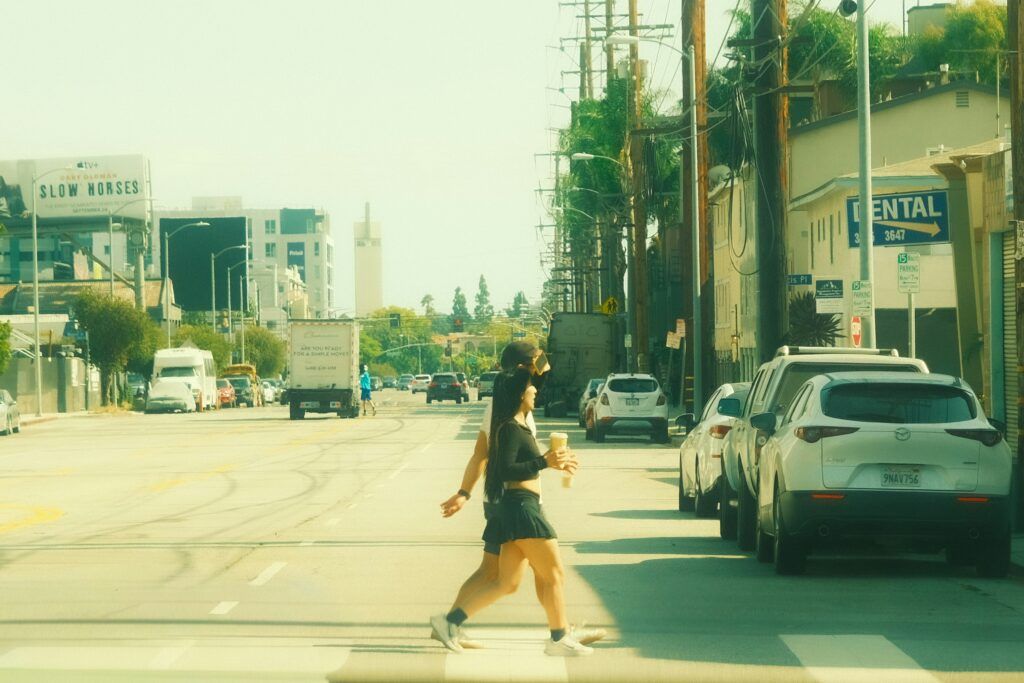
Although large-scale infrastructure improvements are essential for long-term safety, pedestrians can still take practical steps to reduce their own risk. Using crosswalks wisely, including waiting for the signal, making eye contact with drivers, and avoiding crossings on wide streets without refuge islands, goes a long way toward preventing close calls. Visibility is equally important, especially at night, so wearing bright clothing or using a phone light can help drivers see you sooner.
It also helps to anticipate turning vehicles, since drivers may turn quickly or fail to yield even when you have the right of way. Staying alert and avoiding distractions, like texting, allows you to react to unexpected movements, particularly in parking lots where patterns are unpredictable. When possible, choose routes with sidewalks and marked crossings, and if you notice hazardous conditions like a faded crosswalk or an unsafe parking lot, reporting the issue to local authorities can contribute to long-term improvements.
A Need for Local Advocacy and Policy Action for Pedestrians in LA County
A relatively small segment of streets in LA County accounts for a disproportionately large number of pedestrian injuries, highlighting the need for targeted, location-specific safety improvements. Local governments can help by redesigning high-incident intersections with features like better-marked crosswalks, curb extensions, and pedestrian refuge islands. Retail centers and mall owners also play a role; adding designated walkways, speed bumps, and improved lighting can make parking lots significantly safer for shoppers on foot.
Community organizations and pedestrian-safety advocates can push for traffic-calming measures in neighborhoods where walking is part of daily life. Public education initiatives further contribute by reminding residents of the often-overlooked dangers in parking lots and mid-block crossings, helping reduce risks in the areas where people least expect them.
How Local Authorities Can Use Crash Data for Real Change
If someone is injured in a pedestrian accident, understanding where the crash happened matters. Legal advocates, city planners, and safety coalitions often use crash data to:
- Identify “danger zones” for education and enforcement
- Strengthen liability claims based on known risk locations
- Pressure local agencies for infrastructure upgrades
This is why it is so important, if you or a loved one have been struck by a vehicle in a high-risk location, to preserve evidence like photos, incident reports, witness information, and any documentation of the surrounding environment for your LA County pedestrian accident lawyer. These details can help inform advocacy and community safety efforts.
Walking in LA County Shouldn’t Feel Like Taking a Risk
Pedestrians are a vital part of LA County’s fabric, from residents commuting to work and families shopping to tourists exploring popular neighborhoods – but the risk of a pedestrian accident is real. Dangerous intersections, poorly designed parking areas, and neglected infrastructure contribute to thousands of injuries and fatalities every year.
By knowing where the most hazardous locations in LA County are, and why they are dangerous, pedestrians can make smarter decisions, communities can push for safer design, and policymakers can allocate resources more effectively.
If you’ve been the victim of a pedestrian accident, talk to an experienced personal injury lawyer at MKP Law Group, LLP who can help with your case.