Key Takeaways

  • Delivery drivers face a high risk of dog attacks because they regularly enter private property where dogs may not be properly secured.
  • Under California dog bite laws, strict liability means a dog owner can be responsible even if the dog has never shown aggressive behavior before.
  • Dog bite victims may have the right to pursue a personal injury claim beyond workers’ compensation, depending on the circumstances.
MKP LLC Shape MKP LLC Shape

Delivery drivers move quickly. They step onto unfamiliar property dozens of times a day, often with little warning about what’s waiting behind a gate, a door, or a fence. That routine exposure creates a high risk of dog attacks, especially when a dog owner fails to secure an animal with known aggressive behavior.

When dogs attack delivery drivers, the legal questions are usually straightforward, but not always simple. Liability often falls on the dog owner, but other parties may also be responsible depending on where and how the dog bite incident occurred.

Understanding how California dog bite laws apply can make a major difference for delivery drivers who were bitten by a dog while working.

Why Delivery Drivers Face a Higher Risk of Dog Attacks

Delivery drivers, mail carriers, and other delivery workers enter private property as part of their job. That alone increases the likelihood of dog bites.

Several factors make these workers especially vulnerable:

  • Frequent entry onto a dog owner’s property without prior interaction
  • Limited visibility of dogs behind doors, fences, or corners
  • Time pressure, which reduces the ability to assess danger
  • Repeated exposure across dozens of homes per shift

A dog bite attack in this setting is rarely random. It often stems from a dangerous dog that has shown aggressive behavior before but was not properly restrained.

California Dog Bite Laws and What They Mean for Delivery Drivers

California dog bite laws are based on strict liability. That means a dog owner can be held responsible for dog bite injuries even if the dog has never bitten anyone before.

This is very different from the “one bite rule” used in some states. In California, a first-time bite can still lead to a dog bite claim.

For delivery drivers, this matters because:

  1. You are lawfully on private property when making a delivery
  2. The dog owner does not need prior knowledge of aggression
  3. Liability applies even if the bite happened quickly or without warning

A California dog bite claim does not require proving negligence in the traditional sense. The focus is on the fact that the bite occurred and caused injury.

California dog bite laws are based on strict liability. That means a dog owner can be held responsible for dog bite injuries even if the dog has never bitten anyone before.

Who Can Be Held Liable When Dogs Attack Delivery Drivers?

While the dog owner is usually the primary party responsible, dog bite cases can involve multiple layers of liability.

Dog Owners

The dog owner is typically responsible under California dog bite laws. If the bite happened on the owner’s property or in a public place, liability usually attaches directly.

Property Owners and Landlords

If the attack occurred on a rental property, a landlord may share responsibility if they knew about a dangerous dog and failed to act.

Tenants or Renters

If a tenant owns the dog, they may be the primary liable party—even if the incident happened on someone else’s property.

Businesses

If the dog bite incident occurred at a commercial location, the business owner could be liable for failing to maintain a safe environment.

These situations can overlap. A dog bite lawsuit may involve multiple defendants depending on the facts.

What If the Dog Was “Protecting” the Property?

Some dog owners claim the dog was acting as a guard animal. This argument comes up often in dog bite cases.

In most California dog bite situations, that defense does not eliminate liability.

Even if the dog was intended to protect the owner’s property, the law still expects reasonable control over the animal. Delivery drivers have a legal right to approach a home or business to complete their job.

Common Injuries in Delivery Driver Dog Bite Cases

Dog bite injuries can range from minor bite wounds to severe, life-altering harm. Delivery drivers often suffer injuries to the hands, arms, and legs due to how attacks occur.

Common injuries include:

  • Deep puncture wounds: These injuries can damage muscle and tissue beneath the skin and carry a high risk of infection.
  • Nerve damage: Bites to the hands or arms can lead to loss of sensation or long-term weakness.
  • Broken bones: A forceful dog bite attack or fall during the incident can result in compound broken bones and hairline fractures.
  • Scarring and disfigurement: Severe tearing injuries may require surgery or reconstructive procedures. Visible injuries can have lasting physical and emotional effects.
  • Infections: Untreated dog bites can lead to serious complications, requiring emergency room care.
  • Emotional trauma: Anxiety, fear of dogs, and post-traumatic stress can follow a violent dog attack.

Even what appears to be a minor bite can develop into a more serious medical issue. That is why it is important to seek medical attention immediately after being bitten by a dog.


What Delivery Drivers Should Do After a Dog Bite

After a dog bite incident, taking the right steps protects both your health and your ability to file a dog bite injury claim.

  • Seek medical attention immediately: Go to an emergency room or urgent care, even if the injury seems minor.
  • Report the incident: Notify your employer and local animal control.
  • Document everything: Take photos of injuries, the location, and the dog if possible.
  • Identify the dog owner: Confirm who owns or controls the animal.
  • Avoid speaking with insurers alone: Insurance companies often try to limit payouts early.

These steps help establish a clear record of the dog bite accident and its impact.

Can Delivery Drivers File a Claim or Lawsuit?

Yes. Delivery drivers who suffer dog bite injuries can pursue compensation through a personal injury claim.

There are typically two paths:

  • Workers’ compensation: Covers medical expenses and lost wages but may be limited.
  • Personal injury claims: Filed against the dog owner or other responsible parties.

A dog bite injury lawsuit may allow recovery for:

  • Medical expenses
  • Lost income
  • Pain and suffering
  • Long-term care needs

Many dog bite victims assume they are limited to workers’ compensation. In reality, dog bite injury victims often have the right to pursue third-party personal injury claims as well.


Want to see how much your claim is worth? Try our dog bite settlement calculator.


Special Situations: Police or Military Dogs

Cases involving a military dog or law enforcement animal are treated differently. These situations may involve exceptions depending on whether the dog was performing official duties.

However, those exceptions are narrow. Not every dog bite involving a working animal is automatically exempt from liability.

How a Los Angeles Dog Bite Lawyer Can Help Delivery Drivers

Dog bite cases can appear simple on the surface but become more complex when multiple parties are involved.

A Los Angeles dog bite lawyer from MKP Law Group, LLP can:

  • Investigate the dog’s history and prior aggressive behavior
  • Identify all responsible parties
  • Handle communication with insurers
  • Build a strong dog bite claim or dog bite lawsuit

Working with a dog bite attorney from our firm helps ensure that all damages are properly evaluated, especially in cases involving serious dog bite injury or long-term complications.


MKP LLC Logo Initials

Delivery Drivers & Dog Bites: Quick Questions


Can a delivery driver sue a dog owner after a bite?

Down Caret Icon

Yes. Delivery drivers who were bitten by a dog while lawfully on private property can file a dog bite claim under California dog bite laws.

What if the bite happened on private property?

Down Caret Icon

Liability still applies. Delivery drivers are legally allowed to approach a home or business to complete deliveries.

Are all dog bites considered serious?

Down Caret Icon

No. Some involve a minor bite, but even less severe injuries can lead to infection, nerve damage, or other complications.

What damages can dog bite victims recover?

Down Caret Icon

Dog bite victims may recover medical expenses, lost wages, and compensation for emotional trauma and physical pain.

Speak With a Los Angeles Dog Bite Attorney

Dog bite victims often deal with more than just the physical injury. Medical bills, missed work, and ongoing complications can add up quickly, especially after a serious dog bite accident. If you were bitten while making a delivery or working as a driver, you may have the right to pursue compensation beyond what insurance companies initially offer. A Los Angeles dog bite attorney can help evaluate your situation and determine the best path forward based on California law.

MKP Law Group, LLP works with dog bite victims to build strong claims and hold the right parties accountable. If you need guidance after a dog attack, you can speak directly with a dog bite accident lawyer about your options. We offer a free consultation, so you can get answers without added pressure and decide what makes sense for your next step. Contact us today.


Sure, the family pooch is billed as man’s best friend. But dogs are also animals, and that means they can lash out. In the U.S., that’s led to 1,000 residents seeking emergency care each day for dog bite injuries. And annually, dogs leave 12,000 Americans hospitalized

Picking up the pieces, paying bills, and venturing back into the world are all part of the long road to recovery after a dog bite attack.

A skilled dog-bite lawyer can help ease that journey. 

How do you find one? Personal injury lawsuits are most often resolved through settlements, which are typically private. Even finding out which lawyers and law firms have public verdicts in their favor can mean using paid services or rooting through different jurisdictions and records, one at a time.

We wanted to make it easier, so we put together a roundup of dog bite lawyers in Los Angeles

Why would we highlight our competitors? First, we’re only human: we can’t be in every location, every language, and every availability constraint.

But some factors are non-negotiable. You’ll want an attorney who can bring true negotiation skills, trial experience, and deep knowledge of dog bite cases to the table — all with a clean bar record and stellar client reviews.

Here are your best L.A. options based on our personal research and opinions.

Key Takeaways

  • Since the beginning of 2024, there have been 1,295 dog bite cases filed in Los Angeles County alone.
  • While pit bulls account for about ⅔ of dog attacks and rottweilers account for another ~10%, German Shepherds and mastiffs are also disproportionately represented in attacks.
  • MKP is one of the best in Los Angeles for personal injury cases when a pet owner’s negligence lands you in the emergency room or with physical injuries. They’ve negotiated fair settlements and amassed trial winnings for individual cases in the millions. 
  • Across Los Angeles, other top firms, both large and small, can step in with alternative locations to help dog attack victims.

The Best Dog Bite Lawyers in Los Angeles

MKP Law Group 

Contact: Call us anytime at (323) 524-9619. You can also schedule a consultation using our online form.

About: We’re personal injury attorneys serving dog bite plaintiffs, as well as bike, auto, and motorcycle injury victims, and slip-and-fall victims

Location: Los Angeles’ financial district/Koreatown, serving Los Angeles, Long Beach, Riverside, San Bernardino, Imperial County, Orange County, and all of California

Availability: 24/7 for new case inquiries and consultations

Ratings: 4.9 / 5.0 (Google), with 100s of 5-star reviews 

Fee Structure: Free consultation, with cases taken on a contingency basis, so clients don’t pay anything upfront or out-of-pocket. Clients pay only when and if our firm wins their case. This allows our clients to get exceptional legal representation without worrying about financial constraints. 

We’re a small firm that focuses on injury work, with experience that’s paid off in millions in fair compensation for dog-bite victims. At trial, we’ve won $1M verdicts for dog bites, with settlements to match.

Those successes are built on deep knowledge of the niche: we share information across cases involving landlord liability, delivery drivers, beach/park incidents, and other specifics that we’ve seen across a career handling dog attack claims.

Client Quotes:

“When I was put in the middle of an unforeseen dog bite incident, I asked Jordan for his help and he delivered. I was completely blown away by his professionalism, knowledge, and success. He is 100% trustworthy and will be on your side throughout the entire process. If you need legal assistance, he’s the person you want to call.”

“I was bit by a dog, and Jordan helped me get more money than I thought I would get. Great customer service from start to finish with 100 percent transparency in all their fees. Would definitely recommend.”

Dog Bite Law Group  

About: A niche dog-bite and animal attack firm with offices in downtown L.A., Irvine, Carlsbad, San Diego, and El Cajon

Availability: The L.A. office is open weekdays from 8:30 to 5:00, but you can reach the group for intake via phone and online web form anytime.

Main Practice Areas: Dog-bite and animal injury claims only

Ratings: 5.0 / 5.0 (Google, via Birdeye)

Fee structure: Purely contingency-based, with no upfront costs and no fees owed unless the firm recovers for you

The Dominguez Firm

About: A large, multi-office personal injury firm in the Wilshire Center area of Los Angeles, with additional offices across Central and Southern California

Availability: 24 hours for calls and intake, with staffed offices during workday hours

Main Practice Areas: Auto, truck, motorcycle, rideshare, dog-bite, premises liability, catastrophic injury, and wrongful death, including workers’ compensation and related personal injury issues

Ratings: 4.8 / 5.0 (TrustAnalytics, for the Los Angeles office).

Fee structure: Free consultations for personal injury claims, with contingency-based pay, so clients pay a percentage of the money recovered by the firm. They won’t pay if they recover nothing.

Law Offices of Howard Kornberg

About: A boutique personal injury firm in Westwood, serving L.A. and surrounding communities

Availability: Reach them by phone or website form outside of normal business hours (8:30 to 5:00 on weekdays).

Main Practice Areas: With a focus on serious injury, the firm handles car, truck, and pedestrian accidents, dog bites, premises liability, and wrongful death cases.

Ratings: 5.0 / 5.0 (Google)

Fee structure: Initial consultations are free, and contingency fees are offered for personal injury representation.

Kenneth M. Phillips

About: This Beverly Hills solo practice exclusively represents dog-bite victims. 

Availability: Arrange a consultation by phone or web form, and see the attorney in the office during traditional work hours on weekdays.

Main Practice Areas: Dog-bite and dog-attack cases only, including strict liability claims, nationwide legal analysis, and catastrophic injuries

Ratings: 4.0 / 5.0 (Yelp, with the rating skewed by a low number of reviews)

Fee structure: Contingency-based and free consultations, with clients paying nothing if they cannot recover

Rose, Klein & Marias

About: In downtown L.A., this long-established firm comes with multiple offices to serve plaintiffs in Ontario, San Bernardino, Riverside, and Ventura.

Availability: Phone lines and online forms let users request a consultation anytime, but you’ll find offices open during weekday business hours.

Main Practice Areas: Personal injury, dog bites, workers’ compensation, asbestos/mesothelioma, toxic exposure, serious injury, and occupational disease issues

Ratings: 4.0 / 5.0 (TrustAnalytica, via Google)

Fee structure: Free consultations and never a fee unless they win for personal injury claims

Wilshire Law Firm

About: A very large plaintiff-side firm in Los Angeles, with offices in Irvine, Oakland, and San Diego. The firm works on multiple issues around personal injury and sexual abuse, employee rights (employment law), and class-action cases.

Availability: Open 24/7 for contact and consultations.

Main Practice Areas: Motor-vehicle accidents, personal injury, sexual abuse, product liability, employement law, wrongful death, and slip-and-fall

Ratings: 4.9 / 5.0 (from LeadStal, aggregating other review sites)

Fee structure: Contingency-based, with free consultations

Adamson Ahdoot 

About: A large personal injury firm in Los Angeles, but with offices in 9 California cities

Availability: The firm advertises its 24/7 availability.

Main Practice Areas: Personal injury-only, with specific website details for dog-bite victims

Ratings: 4.9 / 5.0 (Google)

Fee structure: Free consultations and contingency-based pay, with some information on advances for those with medical care and expenses that need to be settled before recovery

Bisnar Chase

About: Their main office is in Newport Beach, but there are also downtown L.A., Riverside, San Bernardino, and San Diego options for this firm that’s all about personal injury.

Availability: Client intake is available 24/7, with weekday office hours.

Main Practice Areas: Personal injury claims, with auto, truck, and bike accidents foregrounded. They also handle dog bites, premises liability, wrongful death, class-action suits, employment law, defective products, and related areas

Ratings: 4.7 / 5.0 (EliteLitigators)

Fee structure: The firm works on a contingency-fee basis with free case evaluation, so there’s no cost to clients if the firm doesn’t win. 

The Ryan Law Group 

About: With 7 total offices, including Los Angeles, Manhattan Beach, and Riverside, this personal injury group bills itself as “full service.”

Availability: Call or submit an online form 24/7 or visit the office during weekday hours

Main Practice Areas: All personal injury areas. While the website has dedicated dog-bite content, you’ll find core areas covered, such as traffic accidents. 

Ratings: 4.9 / 5.0 (Yelp)

Fee structure: There’s never a fee for personal injury clients unless you win.

How to Choose the Best Dog Bite Firm in L.A.

MKP brings over 30 years of collective experience to fighting for the victims of dog-bite injuries. We started our careers working with insurance companies. That means we know how companies involved in these claims think, and today, we use that knowledge to get maximum compensation for plaintiffs who need it. 

If you or a loved one needs a Los Angeles dog-bite attorney, choose a firm that offers the availability, fee structure, and specialization you need; then book a consultation, get legal advice, and get legal representation from an attorney whose communication makes you feel supported. 

If you need a dog bite lawyer in Los Angeles, call MKP Law Group today for a free consultation at (323) 524-9619 or schedule a consultation using our online form.

MKP LLC Logo Initials

FAQs

How do I choose a lawyer for a dog bite accident?

Down Caret Icon

Look for a plaintiff-side personal injury firm in California with dedicated dog-bite know-how. That includes fair settlements and trial successes for dog bites, strong recent reviews, the availability you need, and a contingency fee schedule. When booking a consultation, look for a team that both listens and explains.

What is the best dog bite attorney law firm in California?

Down Caret Icon

Of course, we believe that MKP is the best dog-bite law firm in California, with decades of experience in personal injury, expertise in negotiating with insurance companies and the attorneys of dog owners, and a strong record of trial success. We’re Los Angeles dog-bite lawyers that always put plaintiffs first.

But not every firm is right for every client. Treat “the best” as a starting point in your search, and first seek out both trial wins and settlements. Then look for a firm with multiple cases in areas that mirror your own case. Finally, read reviews, looking for good communication and honesty.

How is a dog bite settlement calculated?

Down Caret Icon

Typically, dog-bite settlements are calculated using the following factors:

  • Medical expenses (past and future)
  • Lost wages
  • Diminished earning capacity
  • Pain and suffering
  • Emotional distress and emotional trauma
  • Permanent scarring/disfigurement

Variables to consider are the severity of the injury, the recovery time, the long-term impact, insurance limits, and how credible your evidence and experts will look at trial.

What evidence strengthens my claim?

Down Caret Icon

In a dog-bite case, you’ll use evidence like:

  • Pictures of wounds or scars
  • Medical records and bills
  • Animal control and/or police reports
  • Witness statements
  • Proof you were lawfully on the property, especially if the attack happened on private property
  • Prior bite or complaint history about a dangerous dog
  • Insurance information
  • A journal of pain and symptoms

How long does a dog bite claim take?

Down Caret Icon

Minor claims with insurance coverage can resolve in a few months. Serious injury claims, disputed liability, multiple insurers, or permanent scarring can mean a claim takes over a year to resolve. Many attorneys prefer to wait until your medical prognosis is determined, as with issues like nerve damage, with some certainty before valuing the case. 

Will my case go to trial?

Down Caret Icon

Most California cases will never go to trial, and cases are most likely to be resolved with a settlement after medical treatment is complete and key evidence is shared. Trials are more likely when cases have large damages, with severe medical needs or scarring, or when insurance settlement offers start very low. Hiring an attorney with dog-bite experience can improve settlement offers even if your case settles before trial.

Updates Log:

  • December 3, 2025: First published after review by Jordan W. Peagler, Esq
  • February 23, 2026: Minor updates throughout – heading fix for MKP
  • March 25, 2026: Please see the LA dog bite lawyer page for full details (NI)

Key Takeaways

  • Comparative fault and liability are being scrutinized more closely in multi-party cases, making detailed evidence, accident reconstruction, and expert testimony increasingly critical to proving fault and damages.
  • Courts clarified damage rules across several claim types, including medical malpractice, product liability, slip-and-fall, and wrongful death, reinforcing that nuanced facts — not blanket caps or assumptions — drive recovery.
  • Insurance practices and litigation strategy are evolving, with greater regulatory oversight, increased use of expert analysis, and a growing need for trial-ready preparation even during early settlement negotiations.
MKP LLC Shape MKP LLC Shape

Each year brings new challenges and opportunities in personal injury law, and 2025 was no exception. From landmark court decisions to legislative changes, California’s legal landscape continues to evolve, affecting how personal injury cases are handled, how damages are calculated, and how insurance adjusters respond.

At MKP Law Group LLP, we follow these new laws and developments closely to ensure our clients receive informed, strategic representation. This year-in-review highlights the most significant legal changes and court rulings impacting personal injury cases across California.

1. Changes to Comparative Fault Rules in Car Accident Cases

California operates under a pure comparative fault system, allowing injured parties to recover damages even if they are partially at fault. However, recent court rulings clarified how fault is assessed in complex multi-party accidents.

In 2025, several appellate decisions emphasized that juries must consider each party’s percentage of fault with precision, particularly in cases involving both drivers and third-party entities, such as municipalities responsible for road maintenance. These rulings reinforce the importance of detailed evidence collection, accident reconstruction, and expert testimony to accurately allocate liability.

2. Updates to Medical Malpractice Caps Under California Law

Medical malpractice cases have long been subject to statutory limits in California, including caps on non-economic damages. This year, new appellate decisions revisited the scope of these caps and how they apply to plaintiffs with preexisting conditions.

Courts clarified that the cap on non-economic damages does not automatically reduce recovery for cases where a patient’s preexisting health issues complicate the injury. This nuanced interpretation provides greater clarity for both plaintiffs and defense attorneys in structuring settlements and trial strategies.

3. Key Product Liability Decisions in the Legal Landscape

Product liability continues to be a significant area of personal injury law in California, especially with the rise of e-commerce and emerging technology products. In 2025, courts addressed liability issues involving defective consumer goods, pharmaceuticals, and industrial equipment.

One notable ruling reinforced that manufacturers may be held strictly liable for foreseeable misuse of their products, even when a warning label is provided. This development underscores the need for plaintiffs’ personal injury attorneys to investigate not only the product itself but also the broader context of its design, marketing, and instructions.

4. California Slip-and-Fall Liability in Personal Injury Claims

Premises liability cases, particularly slip-and-fall accident claims, remain a common source of personal injury litigation. Courts clarified standards for property owner responsibility, particularly in public spaces and commercial establishments.

Recent decisions emphasized that property owners must proactively address known hazards and that failure to maintain safe premises constitutes negligence. Plaintiffs’ attorneys are encouraged to document unsafe conditions thoroughly, including photographs, witness statements, and maintenance records, to strengthen claims.

5. Auto Accident and Insurance Law Updates

Car accidents continue to account for most personal injury cases in California. In 2025, the latest legal developments affected how insurance claims are processed and how damages are calculated.

  • No-Fault Clarifications: Courts reinforced aspects of California’s comparative fault system in auto accidents, clarifying how partial fault is allocated when multiple drivers and third-party entities are involved.
  • Insurance Coverage Practices: Regulatory updates increased scrutiny on insurer claim-handling practices, holding companies accountable for unreasonable delays in processing settlements.
  • Emerging Technology: Cases involving rideshare vehicles, electric scooters, and autonomous vehicle features highlighted new liability questions for drivers, passengers, and manufacturers alike.
Black-and-white photograph of a car with severe front-end damage parked at the roadside after a collision, showing a crumpled hood, broken bumper, and exposed internal components, with other vehicles and a roadway visible in the background.


6. Wrongful Death Claim Developments

California law, as it pertains to wrongful death, saw important clarifications in 2025 regarding who can recover damages and how losses are calculated. Courts emphasized that damages include both economic loss and non-economic factors such as loss of companionship and emotional support.

Appellate decisions stressed that even family members with indirect financial dependence may have a valid claim, broadening the scope of potential recovery for some plaintiffs. Personal injury attorneys must carefully evaluate each surviving family member’s role and contribution to ensure all damages are captured accurately.

7. Expanding Use of Expert Testimony

Across personal injury cases, expert testimony continues to play a critical role. In 2025, courts provided further guidance on admissibility standards, particularly for accident reconstruction, medical causation, and economic loss calculations.

Judges increasingly require that expert reports be thorough, scientifically sound, and transparent in methodology. This reinforces the need for plaintiffs’ personal injury attorneys to carefully select experts whose credentials and approaches can withstand rigorous cross-examination.

8. Legislative Updates Impacting Personal Injury Claims

Several legislative changes in California affect personal injury law practice, from statute of limitations adjustments to insurance claim regulations. Key updates in 2025 include:

  • Workers’ Compensation Coordination: Amendments clarified how personal injury claims interact with workers’ compensation benefits, especially in cases involving occupational injuries and cumulative trauma.
  • Insurance Reform Bills: New provisions regulate how insurers calculate settlement negotiations, aiming to reduce lowball offers and improve transparency for injured parties.
  • Court Procedure Changes: Modifications to discovery rules and electronic filing requirements have streamlined case management, while increasing the importance of compliance for timely filings.

9. Trends in Settlement and Litigation

This year, several trends emerged in personal injury settlements and litigation:

  • Plaintiffs are increasingly pursuing full trial preparation even during early settlement negotiations, due to recent rulings favoring strong evidence presentation.
  • Insurance companies are employing data-driven defense strategies, making documentation, expert analysis, and pretrial investigation more critical than ever.
  • Multi-party and complex liability cases have grown, especially in commercial vehicle accidents, premises liability, and defective product cases.

10. The Importance of Experienced Legal Guidance

With evolving legal standards, new legislative updates, and a dynamic litigation landscape, injured parties must have knowledgeable representation. An experienced California personal injury attorney ensures that:

  • Your injury claim accounts for all damages, both economic and non-economic
  • Liability is properly established, even in complex cases involving multiple parties
  • Expert testimony is leveraged effectively to support your claim
  • Insurance companies and negligent parties are held accountable

Understanding the legal system after an injury is challenging, and having skilled legal counsel can make the difference between a fair settlement and an undervalued injury claim.

Contact Our Office for an Initial Consultation on Your Injury Claim

2025 was a year of meaningful change and clarification in California personal injury law. From medical malpractice caps to product liability, catastrophic accidents, and legislative updates, the landscape continues to evolve.

At MKP Law Group LLP, we stay up to date on these developments to provide clients with informed, strategic advocacy. If you or a loved one has been injured due to someone else’s negligence, understanding the current legal environment is critical. Our law firm is ready to guide you through the legal process, protect your rights, and fight for the compensation you deserve in this ever-evolving legal landscape.

Seeking legal representation for your case makes all the difference. Contact our personal injury attorneys today for a free consultation. There are no upfront costs, as we work on a contingency fee basis, which means you only pay if – and when – we win you fair compensation, no matter whether you have a simpler or more complex claim.

Key Takeaways

  • Uber and Lyft injury claims often depend on digital evidence that shows the driver’s app status, route, and trip activity.
  • Screenshots taken before, during, and after a crash can preserve details that quickly disappear from rideshare apps.
  • Clear timestamps and in-app records help resolve disputes over insurance coverage and responsibility.
MKP LLC Shape MKP LLC Shape

Most people never think about documenting an Uber or Lyft ride… until something goes wrong. Rideshare crashes happen fast, and injured passengers rarely feel prepared to gather evidence while dealing with shock, confusion, or pain. But when it comes to protecting your rights, a handful of screenshots can make the difference between a denied claim and full compensation.

At MKP Law Group, LLP, we help injured rideshare passengers across Southern California rebuild their lives with clarity and compassion. One of the first things we teach clients is how powerful digital evidence can be. If you were injured in an Uber or Lyft accident, your phone already holds some of the strongest proof available. Knowing what to screenshot before, during, and after a rideshare crash, and why each image matters, can help you later.

Why Screenshots Matter in Rideshare Injury Cases

Uber and Lyft cases are different from regular car crashes. Insurance coverage depends on the exact stage of the ride, the driver’s app activity, and the trip details recorded inside the platform. The rideshare companies will rely on their digital records when evaluating your claim, and you should, too.

Screenshots help you:

  • Prove the driver was logged in and on an active trip
  • Show route deviations, delays, or unsafe driving patterns
  • Document driver behavior or in-app communication
  • Preserve evidence before it disappears from the app
  • Support your version of events when statements conflict

Claims involving rideshare companies often turn on small details. A timestamp here. A route line there. These screenshots help fill in the gaps.

What to Screenshot Before the Ride Begins

A smartphone screen showing a rideshare trip details page with the driver’s profile photo, name “Jordan M.”, a 4.92 star rating based on 1,248 rides, pickup location listed as 1234 Sunset Blvd, destination shown as LAX Terminal 4, a notice that the driver is arriving in 4 minutes, an estimated fare range of $28–34, and a trip ID displayed at the bottom.

1. Driver Profile Page

Capture:

  • Driver name
  • Photo
  • License plate number
  • Vehicle model and color
  • Driver rating

Why it matters: If the vehicle doesn’t match what the app shows, or if the driver switches cars, you have documented proof. This screenshot also helps confirm you were picked up by the correct driver.

A smartphone screen displaying a ride-share app interface with a simplified map showing nearby streets, a pickup location pin, and a car icon en route, along with text indicating the pickup address “1234 Sunset Blvd,” an arrival time of four minutes, a vehicle identification number, and an illustration of a black Toyota Camry, all framed within a modern phone bezel.

2. The Trip Confirmation Screen

This includes:

  • Pickup location
  • Destination
  • Estimated arrival time
  • Fare estimate
  • Trip ID (if visible)

Why it matters: This proves your ride was officially accepted, which triggers Uber or Lyft’s insurance policies.

3. Any Notes or Safety Concerns You Add in the App

If you’ve used the “Report Safety Issue” or “Notes for Driver” feature before pickup, screenshot it. These entries can disappear once the ride begins.

Screenshots to Take During the Ride

A person holding a smartphone in one hand while standing outdoors on a city street, with the screen displaying a map interface showing nearby streets, location pins, and a restaurant listing, while storefronts, trees, and a parked bicycle appear softly blurred in the background.

4. The Live Map and Route

If you notice:

  • Sudden or unexplained route changes
  • Speeding
  • Hard braking
  • Unsafe detours
  • Missed turns

Why it matters: Even one or two images help establish the driver’s behavior, the location of the crash, or whether the driver was acting erratically leading up to the collision.

5. In-App Chat With the Driver

Did the driver:

  • Ask you to sit somewhere unsafe?
  • Request that you pay outside the app?
  • Acknowledge mechanical issues?
  • Tell you they were “almost there” while speeding?

Why it matters: These chats disappear quickly. A screenshot preserves context and tone.

6. Timestamped Speed or Location Tracking Apps (If Installed)

Some passengers use safety apps or built-in phone features. If they show excessive speed or dangerous driving, capture them.

What to Screenshot After an Uber or Lyft Crash

A collision can leave you disoriented, but the screenshots can help you later. Uber and Lyft drivers may be reluctant to call the police and get an official report, so you want to ensure you have your own physical evidence of the crash.

A smartphone screen showing a ride-share safety alert with a red banner reading “Are you okay? We detected a possible incident on your trip,” a map with a car icon marking the vehicle’s location, and options indicating an active ride in progress, a button to report an issue, the time and date, and a trip ID displayed at the bottom.

7. The Trip Screen Immediately After the Crash

Before the driver ends the ride, capture the:

  • Exact time
  • Exact location
  • Active route
  • Trip status

Why it matters: Once the ride ends, you may lose real-time data that proves the crash happened during an active Uber or Lyft trip, which affects insurance coverage.

A smartphone screen displaying a ride-share trip summary with the date and time of the trip, pickup address, total duration and distance traveled, a detailed fare breakdown including base fare, time and distance charges, booking fee, and total cost, along with the trip ID and masked payment method shown at the bottom.

8. Ride Receipt and Trip History

After Uber or Lyft generates a receipt, screenshot:

  • Trip ID
  • Driver name
  • Route
  • Time and duration
  • Fare
  • Any surge pricing
  • Pickup and drop-off points

Why it matters: The trip receipt creates a digital paper trail the insurance company can’t dispute.

9. App Notifications

You may receive:

  • Cancellation notices
  • Driver “trip ended” alerts
  • Charge adjustments
  • Safety check-in prompts
  • Automatic messages asking if you’re OK

Why it matters: These notifications help confirm timing and company awareness.

A smartphone screen showing a ride-share trip support chat interface where the company apologizes for an incident and asks the passenger to describe what happened during a specific trip, followed by a blue message bubble stating that another car rear-ended the vehicle at a red light and the passenger experienced immediate neck pain while seated in the back, with a confirmation message saying the safety team will review the report and a visible case ID displayed at the bottom.

10. Messages From Uber or Lyft Support

Both companies communicate heavily in the app after an incident. Save:

  • Apology messages
  • Requests for details
  • Statements about insurance or investigations
  • Confirmation that you reported the crash

Why it matters: These can become critical if a dispute arises later.

11. Driver’s License Plate and Vehicle Damage

While not technically a screenshot, these photos should be saved with your screenshots folder. They help confirm matching information, show impact severity, and preserve evidence before the car is moved.

Other Digital Evidence Worth Saving From an Uber or Lyft Trip

Screenshots inside the rideshare app are only part of the story. Your phone often holds a much fuller picture of what happened before and after the crash. Location data, for example, can be a quiet but powerful witness. Apps like Google Maps and Apple Maps keep an automatic timeline of where you were and when you were there. Saving a screenshot of that timeline — or of your exact coordinates at the moment the collision occurred — can help anchor your version of events to a precise place and time.

Your own text messages can also become valuable evidence. Many people send quick messages to a friend or family member right after a crash without realizing how useful those exchanges later become. A simple “My Uber just got hit” creates a timestamped record that shows when you first reported the incident and what you understood about it at the moment.

Medical documentation works much the same way. If you start developing pain hours or days later and book an appointment online, save the scheduling confirmation. Screenshots of early medical outreach show that you acted promptly, even if your symptoms were delayed.

And if you contacted your auto insurer or health insurer after the crash, capture those app messages as well. Whether an adjuster asked for details or provided instructions, these early interactions help build a clear timeline of what you knew, when you knew it, and how quickly you tried to address your injuries and losses.

All of this digital evidence fills in the gaps that the rideshare app alone can’t cover. It builds a fuller, more accurate picture of the hours surrounding the crash — something that becomes incredibly useful once insurance companies start scrutinizing every detail.

How These Screenshots Strengthen Your Rideshare Injury Claim

Rideshare claims are rarely simple. Depending on what the driver was doing at the time of the crash, different insurance policies may be involved: the rideshare company’s coverage, the driver’s personal policy, another motorist’s insurance, or even your own underinsured motorist benefits. Sorting out who is responsible often turns on tiny pieces of information, and that’s where screenshots become invaluable.

One of the most important questions in any Uber or Lyft case is whether the driver was actively working. If your screenshot shows an ongoing trip with a live route, a timestamp, or an in-progress ride screen, it becomes far harder for an insurer to argue that the higher rideshare policy shouldn’t apply. Rideshare companies frequently challenge this point, and having your own record cuts off that dispute before it starts.

Screenshots also preserve conditions that might change minutes after the crash. Drivers can end trips early, routes can refresh, and app notifications may disappear. By capturing what you see in real time, you freeze the evidence exactly as it appeared before anything can be altered or overwritten.

These images also help support your account of how the crash happened. A sudden route deviation, a map showing excessive speed, or a message from the driver acknowledging something unusual can all reinforce your description of the moments leading up to the collision.

Did you know that one-third of rideshare drivers have crashed while working?

As rideshare services like Lyft and Uber have become ubiquitous, especially in heavy-use states like California, they force riders into a maze of insurance policies and legal claims.

Navigating them takes expertise, especially when dealing with corporate legal teams.

Finding the right rideshare lawyer can make the difference between a dismissed claim and the fair compensation you deserve.

But wading through the choices can be tough. So we identify the top rideshare lawyers across the state who specialize in holding the right parties accountable. 

Why would we list other law firms? We know we can’t be everywhere. With over 11 billion annual rides in 2024, Uber alone accounts for many of the cars you’ll find on our roads, and all Uber or Lyft drivers, riders, and third parties who find themselves injured and entangled in rideshare’s layers of insurance deserve fair representation.

So, how do we judge these firms?

Success often comes in the form of settlements, often private, with no database to browse. And in personal injury cases, settlements can represent 96% of all cases

Further, cases don’t reliably tag that they’re rideshares, so they can be separated from other automobile claims. Add insurance defendants, rather than rideshare companies themselves, and it’s even harder.

Without a single source of truth about area firms, here’s what we looked at:

  • Documented rideshare results in their jurisdiction.
  • Depth of rideshare advice on firm websites, suggesting nuanced understandings of public injunctive relief, liability coverage specifics, motorist injury claims in an era of independent contractors (the status of rideshare drivers under California’s Prop 22), etc.
  • Trial history, elevating firms that have shown they can litigate bodily injury cases 
  • A clean record and robust client satisfaction: We checked for recent discipline from the state bar and read reviews from clients. 

Key Takeaways

  • With 1,432 cases on the books in California, there are lots of legal professionals with some experience in rideshare cases against Uber, its parent company, Raiser, and Lyft. 
  • MKP has Los Angeles covered. With $1M+ jury verdicts and $2+M settlements, you’ll find trial success and negotiating power.
  • Across the state, other firms with experience in rideshare-specific injury cases can help local victims navigate their claims.

The Best Uber/Lyft Lawyers in Each California City

Los Angeles: MKP Law Group

Contact: (323)524-9619 or schedule a consultation using our online form.

About: We’re personal injury attorneys representing rideshare plaintiffs, as well as bike, auto, and motorcycle injury victims, slip-and-fall victims, and dog-bite victims.

Location: Los Angeles’ financial district/Koreatown, serving Los Angeles, Long Beach, Riverside, San Bernardino, Imperial County, Orange County, and all of California.

Availability: 24/7 for new case inquiries and consultations

Ratings: 4.9 / 5.0 (Google), with 100’s of 5 Star Reviews

Fee Structure: Free consultation with a contingency fee structure, so clients don’t pay anything upfront or out-of-pocket. They pay only when and if our firm wins their case. This allows our clients to get exceptional legal representation without worrying about financial constraints. 

After representing insurance companies, MKP now serves real people, bringing over 30 years of collective experience to the table to guide claims through the legal system and fight insurance companies with tenacity. 

And with million dollar jury verdicts, we’ve shown we can command million-dollar payouts that aren’t just from settlements. But that doesn’t mean the team shies away from negotiations; we’ve secured large $2.1M and $1M wrongful death settlements.

Client Quotes:

“Had a great experience with MKP Law Group. Jordan handled my accident case with care and professionalism, making the whole process smooth and stress-free. Highly recommend!”

“Excellent attorney honest and trustworthy to handle your case. Very informative and keeps you updated every step of the way. I would highly recommend this firm.”

San Diego: McClellan Law Firm

About: A boutique trial firm in downtown San Diego with personal injury lawyers, but also handling business litigation

Availability: Office hours are 8:30 to 5 pm weekdays. Reach the firm outside those hours by website form, phone, and live chat.

Main Practice Areas: Catastrophic personal injury (brain and spinal injuries, amputations, wrongful death), auto and truck accident cases, product defects, and select commercial litigation

Ratings: 4.8 / 5.0 (Google)

Fee Structure: Get a no-cost consultation and pay only when you win your case.

San Francisco: Walkup, Melodia, Kelly, + Schoenberger

About: A long-established, mid-sized personal injury firm in San Francisco

Availability: Open and reachable 24 hours with phone and web contact options, and office hours 8:30 to 5 pm weekdays

Main Practice Areas: Catastrophic and serious personal injury, wrongful death, traumatic brain injury, medical malpractice, product liability, and dangerous premises.

Ratings: 4.9 / 5.0 (Google, via Birdeye)

Fee Structure: Free case evaluation and contingency-based fees for injury cases. In other words, there are no fees unless the firm recovers for you.

San Jose: Swanson Law Group

About: A California plaintiff-side personal injury firm with law offices in San Jose and Westlake Village

Availability: 24/7 via phone intake for free consultation. Offices keep normal weekday hours.

Main Practice Areas: Truck, motorcycle, scooter, Uber/Lyft, and rideshare crashes, premises liability, catastrophic injury, and wrongful death

Ratings: 4.8 / 5.0 (TrustAnalytics, San Jose office)

Fee structure: Contingency-only for injury cases, with a free consultation

Fresno, California: Tomassian, Pimentel & Shapazian 

About: A Fresno-based, midsized firm serving the greater Fresno and Central California region, handling personal injury, significant family law, employment, and business issues

Availability: Weekday business hours plus free consultations bookable by phone and online

Main Practice Areas: Personal injury (auto accident claims, medical malpractice, wrongful death), family law (divorce, custody), employment law, business litigation, wills/probate

Ratings: 4.7 / 5.0 (Google, via Birdeye)

Fee structure: Free consultations. Personal injury work is handled on a contingency basis, and you pay nothing unless the firm recovers compensation. Other work may be billed hourly.

Sacramento, California: Demas Law Group

About:  A Sacramento-based boutique plaintiff-side personal injury firm representing clients throughout California

Availability: Available 24/7 for free phone consultations, with online contact forms available anytime

Main Practice Areas: Auto and truck accidents, premises liability and slip-and-fall, catastrophic injuries, wrongful death, and related personal injury cases

Ratings: 4.9 (Google)

Fee structure: Contingency-only for personal injury cases, plus free consultation

Oakland, California: Venardi Zurada

About: A plaintiff-side firm with offices in Oakland, Walnut Creek, Orinda, Redding, and Chico, focusing on personal injury, employment, and business litigation

Availability: Standard weekday office hours with phone and online consultation requests

Main Practice Areas: Serious personal injury and wrongful death, medical malpractice, and employment law

Ratings: 4.8 / 5.0 (Yelp)

Fee structure: Contingency, with free consultations for personal injury cases. Clients won’t pay unless they recover.

Santa Barbara, California: NordstrandBlack

About: A Santa Barbara-based, family-run personal injury law firm serving Santa Barbara County, the Los Angeles area, and clients across California

Availability: Call 24/7 for a free consultation. The office itself is open 9 to 5 weekdays. 

Main Practice Areas: Exclusively personal injury

Ratings: 5.0 / 5.0 (Google)

Fee structure: Purely contingent for personal injury cases, with no upfront fees and no attorney fee unless they win. Free consults. The group also advertises the ability to arrange medical attention on a lien.

Santa Cruz, California: Ling Law Group, APC

About: This Tustin-based firm serves California state-wide in personal injury and estate planning.

Availability: The “tap to call” and “get a free consultation 24/7” demonstrate around-the-clock intake. The firm maintains typical Monday-to-Friday office hours.

Main Practice Areas: Personal injury (auto, truck, rideshare, slip-and-fall, dog bites), estate planning and probate, and landlord/tenant and real estate cases

Ratings: 4.7 / 5.0 (Google)

Fee structure: Contingency for personal injury, with free consultations. The firm charges by the hour for other types of cases.

Bakersfield, California: KDG

About: A large, full-service firm with over 30 attorneys and 15 partners, dating from the 1950s, with offices in Bakersfield, Fresno, Encinitas, and Santa Barbara, handling both business and personal cases

Availability: Regular weekday business hours at each office, and centralized phone numbers and an online intake form for consultations

Main Practice Areas: Appellate experience, plus business/corporate law, commercial litigation, labor and employment, environmental, estate planning, IP law, and personal injury

Ratings: 4.2 / 5.0 (Bakersfield office, Yelp)

Fee structure: Mostly hourly for business and civil practice. While personal injury work is available, the firm does not advertise a contingency fee structure on its main site.

Get Legal Assistance for Your Rideshare Claim

A rideshare accident is about more than a car crash. 

Why choose MKP? Because you should seek out a firm that publishes real content, backs it with case results, and answers questions specifically about your kind of case. Then check whether a firm you’re considering has experienced rideshare accident attorneys, familiar with Uber and Lyft policies, multiple layers of insurance, and personal injury litigation — and whether they’ve settled high-value cases and won at trial. MKP checks all the boxes.

MKP LLC Logo Initials

FAQs

How do I choose an Uber accident lawyer for a rideshare accident?

Down Caret Icon

Uber and Lyft accidents aren’t simple fender-benders. An Uber and Lyft accident lawyer can help you: 

  • Untangle which insurance coverages apply and can help accident victims
  • Preserve app and trip data
  • Shield you from insurance companies and low, early offers, helping you get maximum compensation
  • Help you evaluate your legal options, value your case using medical treatment, wage-loss, and pain-and-suffering numbers

Choose an attorney with experience in each of these areas, who has settled and litigated claims that involve rideshare situations, and done so with great communication, with a fee structure and availability that fits your needs.

What is the best rideshare accident law firm in California?

Down Caret Icon

We like to think MKP is the best rideshare accident law firm in California, with 30 years of combined attorney experience in personal injury and a specialization in addressing rideshare claims.

But the best firm for you doesn’t just have a strong record of Uber and Lyft casework, contingency terms, and high ratings. It also has a lawyer who actually talks to you and explains your case. Choose relevant experience and communication you trust.

How is a rideshare settlement calculated?

Down Caret Icon

A settlement usually reflects:

  • Medical bills (past and future)
  • Lost wages
  • Reduced earning capacity
  • Pain and suffering
  • Emotional distress
  • Permanent injury/scarring/disability

Insurers also weigh liability, policy limits, and how persuasive your evidence and legal representation would be if the case went to trial.

What evidence strengthens my claim?

Down Caret Icon

Strong evidence includes:

  • A police report
  • Photos/video of the scene and vehicles
  • App screenshots, including the trip details and driver info
  • Witness statements
  • Medical records
  • Proof of lost income
  • Communication with insurers
  • Journals of pain and symptoms 

How long does a rideshare claim take?

Down Caret Icon

Claims with clear fault and limited injuries can be resolved in a few months. Cases with serious injury, disputed liability, and multiple insurers can take a year or more, especially if a suit is filed. Medical issues, like the length of your treatment and how long it takes to understand your long-term prognosis, can also drive timelines.

Will my case go to trial?

Down Caret Icon

Upwards of 90% of personal injury cases settle before trial. But a case is more likely to go to trial if liability is disputed, damages are large, and insurers offer minimal settlements. Choosing a firm that actually tries cases can improve settlement offers, reducing the chances your case goes to trial.

Walking in Los Angeles County can feel like a risk itself. High-speed traffic, aggressive drivers, sprawling intersections, and inadequate crosswalks, plus the chaotic energy of shopping plazas, parking lots, and dense urban neighborhoods, all combine to make certain spots especially perilous for pedestrians. Many of the most dangerous locations aren’t just roads: off-street zones like parking lots and retail centers also pose significant threats.

Whether you’re a resident or a visitor, knowing where pedestrian accidents are most likely to occur can help you stay safe.

Why Pedestrian Safety in LA County Deserves Closer Attention

According to the SafeTREC Traffic Safety Facts, Los Angeles County consistently ranks at the top for serious and fatal pedestrian injuries across California. Meanwhile, regional data from the Southern California Association of Governments (SCAG) estimates that local roads—not just highways—account for a large share of injury-causing collisions.
These numbers represent not only roadway design challenges but deeper safety inequities. In many neighborhoods, particularly high-density communities, walking is an essential mode of transportation, and the environment hasn’t always kept pace.

Intersections that Carry a Disproportionate Share of Risk for LA County Pedestrian Accidents

One of the most important findings in LA pedestrian crash analyses is how a relatively small number of intersections account for a large proportion of pedestrian injuries and fatalities. A Los Angeles Times analysis identified 817 particularly high-risk intersections across the county.

These high-risk crossroads tend to cluster in dense, mixed-use neighborhoods, like Downtown LA, Koreatown, Westlake, and Hollywood. Some intersections repeatedly cited in local safety analyses include:

  • Slauson Ave & Western Ave (South LA): Known for its extra-wide crossings, few safety features, and a high number of pedestrian collisions.
  • Figueroa St & 7th St (Downtown): A busy commuting and walking corridor with complicated vehicle patterns that put pedestrians in harm’s way.
  • Hollywood Blvd & Highland Ave: Heavy foot traffic from tourists, nightlife, and local commuters, combined with fast-moving cars.

These “danger zones” reflect broader traffic design challenges, like wide crosswalks without pedestrian islands, fast turn lanes, or poor signal timing, that disproportionately impact those on foot.

The Overlooked Danger for Pedestrians in LA County Parking Lots and Shopping Plazas

While intersections tend to draw the most attention, non-road environments like parking lots, driveways, and shopping plazas are also major hotspots for pedestrian accidents. This is because these areas often lack crosswalks, speed control, and clearly marked walking paths, creating conditions where drivers and pedestrians frequently cross each other’s paths without predictable patterns. Poor visibility plays a huge role as well, when cars backing out of spaces, cutting between rows, or turning abruptly can easily surprise someone on foot, especially in crowded parking structures.

Foot traffic also surges during peak shopping seasons, and pedestrians weaving between cars, crossing aisles, or carrying bags are harder for drivers to see. At the same time, many drivers fail to slow down in lots and may be distracted by navigation apps, passengers, or the process of reversing, which increases the likelihood of collisions. The danger is compounded in older or lower-budget retail centers that lack basic safety infrastructure like painted walkways, signage, or speed bumps.

Even though many publicly available crash-reporting systems focus on intersection collisions, pedestrian advocates increasingly argue that off-road environments deserve far more attention in city safety planning. These are the places where people expect to be safe, yet injury reports and local data continue to show a very different reality.

Time of Day and Seasonal Risk Factors for Pedestrian Accidents in LA County

A large portion of serious or fatal crashes occur during the evening and nighttime hours. Reduced visibility, fatigue, and impaired driving all contribute to a higher risk of an accident occurring after dark.

Seasonal behaviors also play a role. During the holiday season, pedestrian volumes spike in retail areas, parking lots, and shopping centers. More people walking means more opportunities for conflicts between vehicles and pedestrians.

Why Road Design (or Lack Thereof) Matters in a Pedestrian Crash in LA County

Much of the pedestrian danger in LA County stems from road design mismatches:

  • Wide roads encourage speeding. Many of the most dangerous intersections feature long crossing distances that leave people vulnerable.
  • Inadequate crosswalk infrastructure. Some intersections lack raised crosswalks, refuge islands, or clearly painted lines.
  • Poor lighting and signal timing. Inadequate lighting and slow walk signals can leave pedestrians exposed.
  • Under-policed or underfunded safety improvements. While some local governments have begun pushing for “Vision Zero” and other pedestrian-first initiatives, progress thus far has been uneven.

SCAG’s regional safety report also emphasizes speed as a major risk factor: pedestrian survival drastically decreases as vehicle speed increases.

What Pedestrians in LA County Can Do to Stay Safer

Although large-scale infrastructure improvements are essential for long-term safety, pedestrians can still take practical steps to reduce their own risk. Using crosswalks wisely, including waiting for the signal, making eye contact with drivers, and avoiding crossings on wide streets without refuge islands, goes a long way toward preventing close calls. Visibility is equally important, especially at night, so wearing bright clothing or using a phone light can help drivers see you sooner.

It also helps to anticipate turning vehicles, since drivers may turn quickly or fail to yield even when you have the right of way. Staying alert and avoiding distractions, like texting, allows you to react to unexpected movements, particularly in parking lots where patterns are unpredictable. When possible, choose routes with sidewalks and marked crossings, and if you notice hazardous conditions like a faded crosswalk or an unsafe parking lot, reporting the issue to local authorities can contribute to long-term improvements.

Two pedestrians crossing a sunlit urban street, holding drinks, with parked cars lining the road and city buildings in the background


A Need for Local Advocacy and Policy Action for Pedestrians in LA County

A relatively small segment of streets in LA County accounts for a disproportionately large number of pedestrian injuries, highlighting the need for targeted, location-specific safety improvements. Local governments can help by redesigning high-incident intersections with features like better-marked crosswalks, curb extensions, and pedestrian refuge islands. Retail centers and mall owners also play a role; adding designated walkways, speed bumps, and improved lighting can make parking lots significantly safer for shoppers on foot.

Community organizations and pedestrian-safety advocates can push for traffic-calming measures in neighborhoods where walking is part of daily life. Public education initiatives further contribute by reminding residents of the often-overlooked dangers in parking lots and mid-block crossings, helping reduce risks in the areas where people least expect them.

How Local Authorities Can Use Crash Data for Real Change

If someone is injured in a pedestrian accident, understanding where the crash happened matters. Legal advocates, city planners, and safety coalitions often use crash data to:

  • Identify “danger zones” for education and enforcement
  • Strengthen liability claims based on known risk locations
  • Pressure local agencies for infrastructure upgrades

This is why it is so important, if you or a loved one have been struck by a vehicle in a high-risk location, to preserve evidence like photos, incident reports, witness information, and any documentation of the surrounding environment for your LA County pedestrian accident lawyer. These details can help inform advocacy and community safety efforts.

Walking in LA County Shouldn’t Feel Like Taking a Risk

Pedestrians are a vital part of LA County’s fabric, from residents commuting to work and families shopping to tourists exploring popular neighborhoods – but the risk of a pedestrian accident is real. Dangerous intersections, poorly designed parking areas, and neglected infrastructure contribute to thousands of injuries and fatalities every year.

By knowing where the most hazardous locations in LA County are, and why they are dangerous, pedestrians can make smarter decisions, communities can push for safer design, and policymakers can allocate resources more effectively.

If you’ve been the victim of a pedestrian accident, talk to an experienced personal injury lawyer at MKP Law Group, LLP who can help with your case.

Contact Us

Attorneys Who Care

When you’re ready to speak with us, we’re ready to listen. Schedule a free consultation with us to learn how we can help you navigate the legal process easily and negotiate the maximum compensation for your claim.

MKP LLC Map pin

Our Office

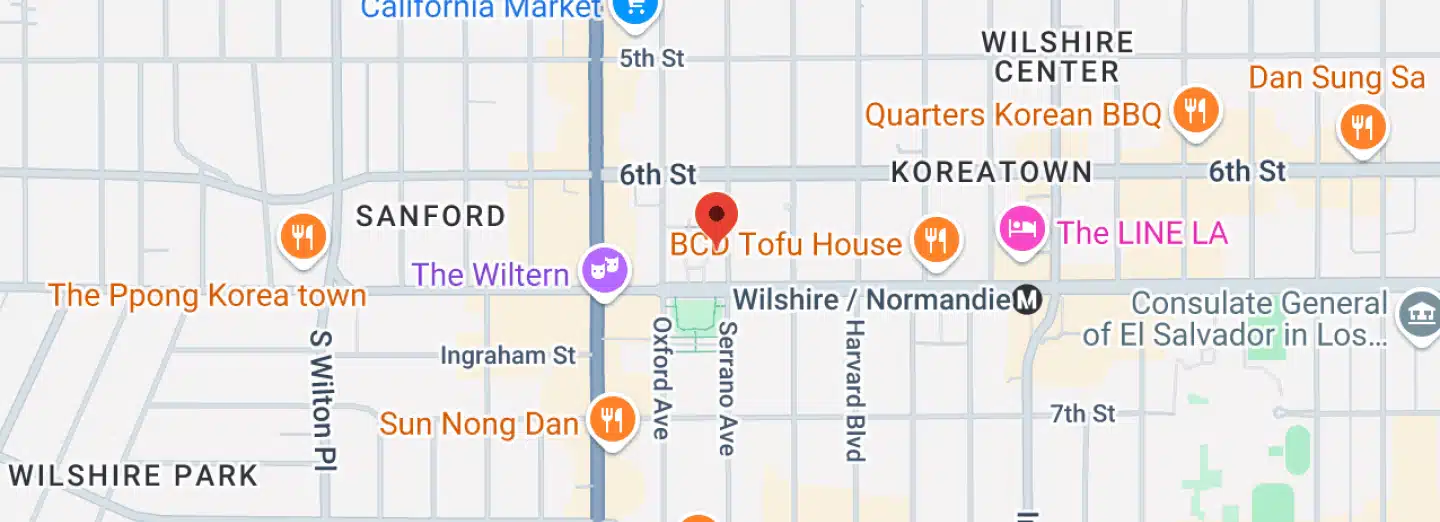
3701 Wilshire Blvd
Ste. 870
Los Angeles, CA 90010

Get Directions